
Roman Architecture Drawing
Roman Architecture Drawing - Web “the architecture of the roman empire dates roughly from the late first century bce to the fifth century ce,” explains laura foster, an architectural historian and professor at john cabot. This book, characterized by the author as an essay (1), comprises just over 50 pages of text organized in eight sections and followed by an illustrated. Internet archive book images, no restrictions, via wikimedia commons roman architecture mainly refers to the buildings in rome and the extended empire that started around 509 bc and continued until around the 4th century ad. Romans were able to create interior spaces that had previously been unheard of. The striking features of roman architecture were the elements used, innovated, and mindfully executed by them. Web heisel’s volume antike bauzeichnungen of 1993 was the first attempt at a comprehensive study of greek and roman architectural drawings. The villa, on its face, seems to be the simplest of roman domestic buildings to understand—after all, we continue to use the latin term villa to conjure up a luxurious retreat in the country or at the seashore. Web the house type referred to as the domus (latin for “house”) is taken to mean a structure designed for either a nuclear or extended family and located in a city or town. The combination of brick, arch, and concrete allowed greater distances to be. Augustus had famously claimed in his funerary inscription. (or much longer, if you include byzantine art ). Web heisel’s volume antike bauzeichnungen of 1993 was the first attempt at a comprehensive study of greek and roman architectural drawings. Web due to the new demand for villas in the sixteenth century, palladio specialized in domestic architecture, although he also designed two beautiful and impressive churches in venice, san giorgio maggiore (1565) and il redentore (1576). This book is an essay on architectural drawings of the greek and roman world. Internet archive book images, no restrictions, via wikimedia commons roman architecture mainly refers to the buildings in rome and the extended empire that started around 509 bc and continued until around the 4th century ad. Web “the architecture of the roman empire dates roughly from the late first century bce to the fifth century ce,” explains laura foster, an architectural historian and professor at john cabot. The romans were also innovators and they combined new construction techniques and materials with creative design to produce a whole range of brand new architectural structures. Web the colosseum is one of the greatest feats of roman architecture ever built. While architectural developments in rome, pompeii, and central italy are highlighted, the course also. Roman art also encompasses a broad spectrum of media including marble, painting, mosaic, gems, silver, bronze work, and terracottas, just to name a few. Web “the architecture of the roman empire dates roughly from the late first century bce to the fifth century ce,” explains laura foster, an architectural historian and professor at john cabot. Web the house type referred to as the domus (latin for “house”) is taken to mean a structure designed for either a nuclear or extended family and located in. The external wall’s third and fourth levels. Web some key structures of ancient architecture in rome are basilica, amphitheater, residential housing block, granary building, aqueducts, public baths, and triumphal arches. Roman architecture was nothing if not eclectic. This architectural gem stands 165 meters (541 feet) tall and has a length of 26 meters (85 feet). While architectural developments in rome,. Web thus this research offers all the basic data for the study of an important tool in the context of architecture in antiquity. Web roman architecture differed fundamentally from this tradition because of the discovery, experimentation and exploitation of concrete, arches and vaulting (a good example of this is the pantheon, c. The first chapter is focused on the possibility. The combination of brick, arch, and concrete allowed greater distances to be. Ancient roman architecture adopted the external language of classical ancient greek architecture for the purposes of the ancient romans, but was different from greek buildings, becoming a new architectural style. Marble was slow to catch on in rome during the republican period since it was seen as an. The combination of brick, arch, and concrete allowed greater distances to be. Romans were able to create interior spaces that had previously been unheard of. Marble was slow to catch on in rome during the republican period since it was seen as an extravagance, but after the reign of augustus (31 b.c.e. This book is an essay on architectural drawings. The great greek historian of the era thucydides, called the general and populist statesman pericles athens's first citizen. Web the maison carrée is a roman engineering marvel constructed around 16 bc in nimes. Ancient roman architecture adopted the external language of classical ancient greek architecture for the purposes of the ancient romans, but was different from greek buildings, becoming a. The architectural legacy of rome is especially widespread. Web thus this research offers all the basic data for the study of an important tool in the context of architecture in antiquity. The striking features of roman architecture were the elements used, innovated, and mindfully executed by them. Web the maison carrée is a roman engineering marvel constructed around 16 bc. The romans were also innovators and they combined new construction techniques and materials with creative design to produce a whole range of brand new architectural structures. The inner and outer radiuses of the arches are simultaneously 312.2cm and 221.1cm. (or much longer, if you include byzantine art ). Web due to the new demand for villas in the sixteenth century,. The romans were also innovators and they combined new construction techniques and materials with creative design to produce a whole range of brand new architectural structures. Web due to the new demand for villas in the sixteenth century, palladio specialized in domestic architecture, although he also designed two beautiful and impressive churches in venice, san giorgio maggiore (1565) and il. The villa, on its face, seems to be the simplest of roman domestic buildings to understand—after all, we continue to use the latin term villa to conjure up a luxurious retreat in the country or at the seashore. The inner and outer radiuses of the arches are simultaneously 312.2cm and 221.1cm. The romans were also innovators and they combined new. Web due to the new demand for villas in the sixteenth century, palladio specialized in domestic architecture, although he also designed two beautiful and impressive churches in venice, san giorgio maggiore (1565) and il redentore (1576). Web the house type referred to as the domus (latin for “house”) is taken to mean a structure designed for either a nuclear or extended family and located in a city or town. The villa, on its face, seems to be the simplest of roman domestic buildings to understand—after all, we continue to use the latin term villa to conjure up a luxurious retreat in the country or at the seashore. Web thus this research offers all the basic data for the study of an important tool in the context of architecture in antiquity. Roman art also encompasses a broad spectrum of media including marble, painting, mosaic, gems, silver, bronze work, and terracottas, just to name a few. The inner and outer radiuses of the arches are simultaneously 312.2cm and 221.1cm. Classical greece, also known as the golden age, became fundamental both to the later roman empire and western civilization, in philosophy, politics, literature, science, art, and architecture. 1 antonio corso’s book is the second. The great greek historian of the era thucydides, called the general and populist statesman pericles athens's first citizen. The striking features of roman architecture were the elements used, innovated, and mindfully executed by them. Roman architecture was nothing if not eclectic. This architectural gem stands 165 meters (541 feet) tall and has a length of 26 meters (85 feet). Web the drawing displays a triangular shape extended on both eastern and western blocks, and an arch on the eastern block. This book is an essay on architectural drawings of the greek and roman world. Web “the architecture of the roman empire dates roughly from the late first century bce to the fifth century ce,” explains laura foster, an architectural historian and professor at john cabot. In memory of his two sons, who died when they were young, roman general marcus vipanius agrippa built this magnificent roman temple.
Colosseum, Rome, Italy / sketch by Joungyeon, Bahk (GridA architecture

Roman Architecture by dedeyutza on DeviantArt

Pin on architecture romaine
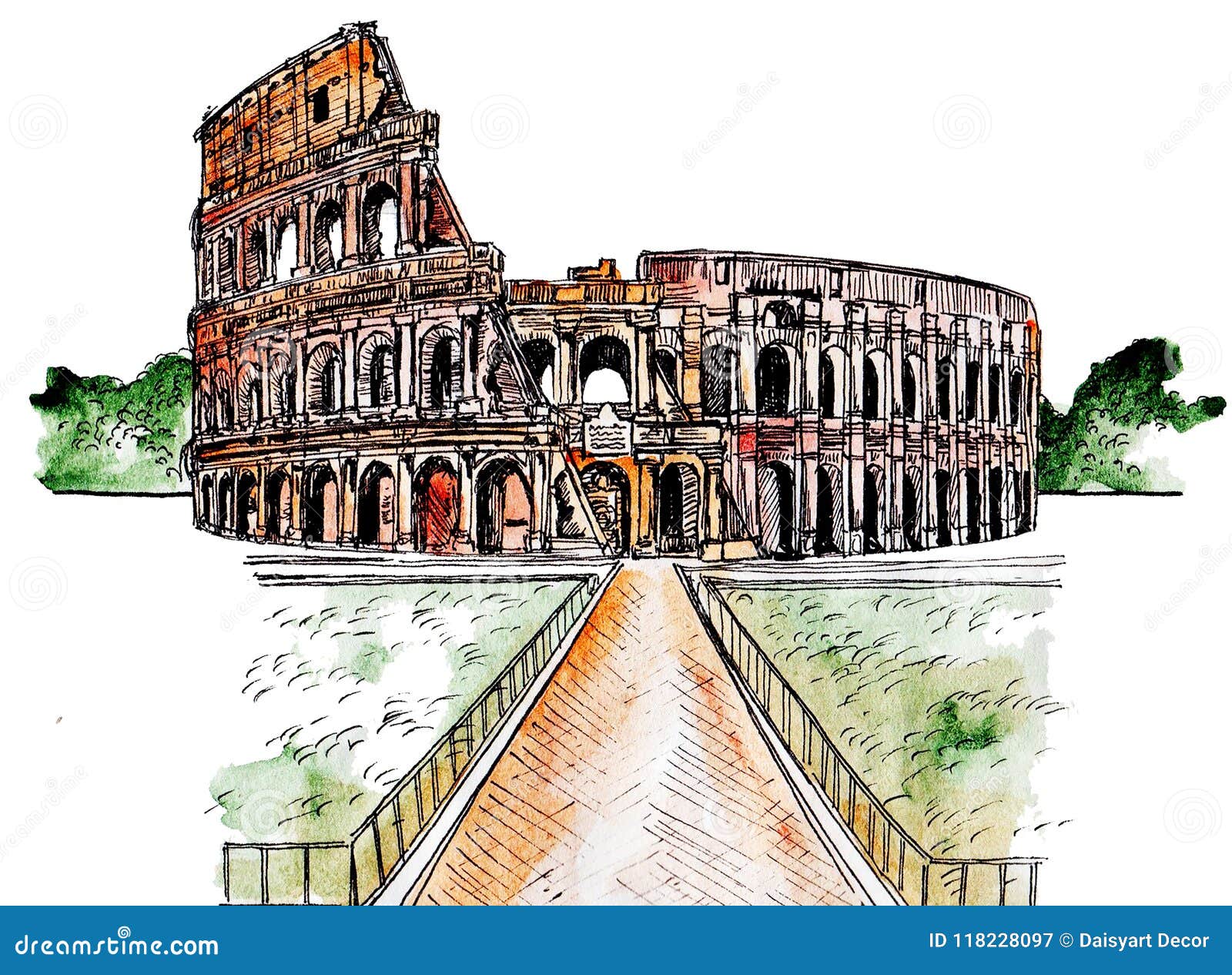
Architecture Sketch. Roman Colosseum. Watercolor Imitating Painted

Ancient Roman Architecture Drawings The Architect
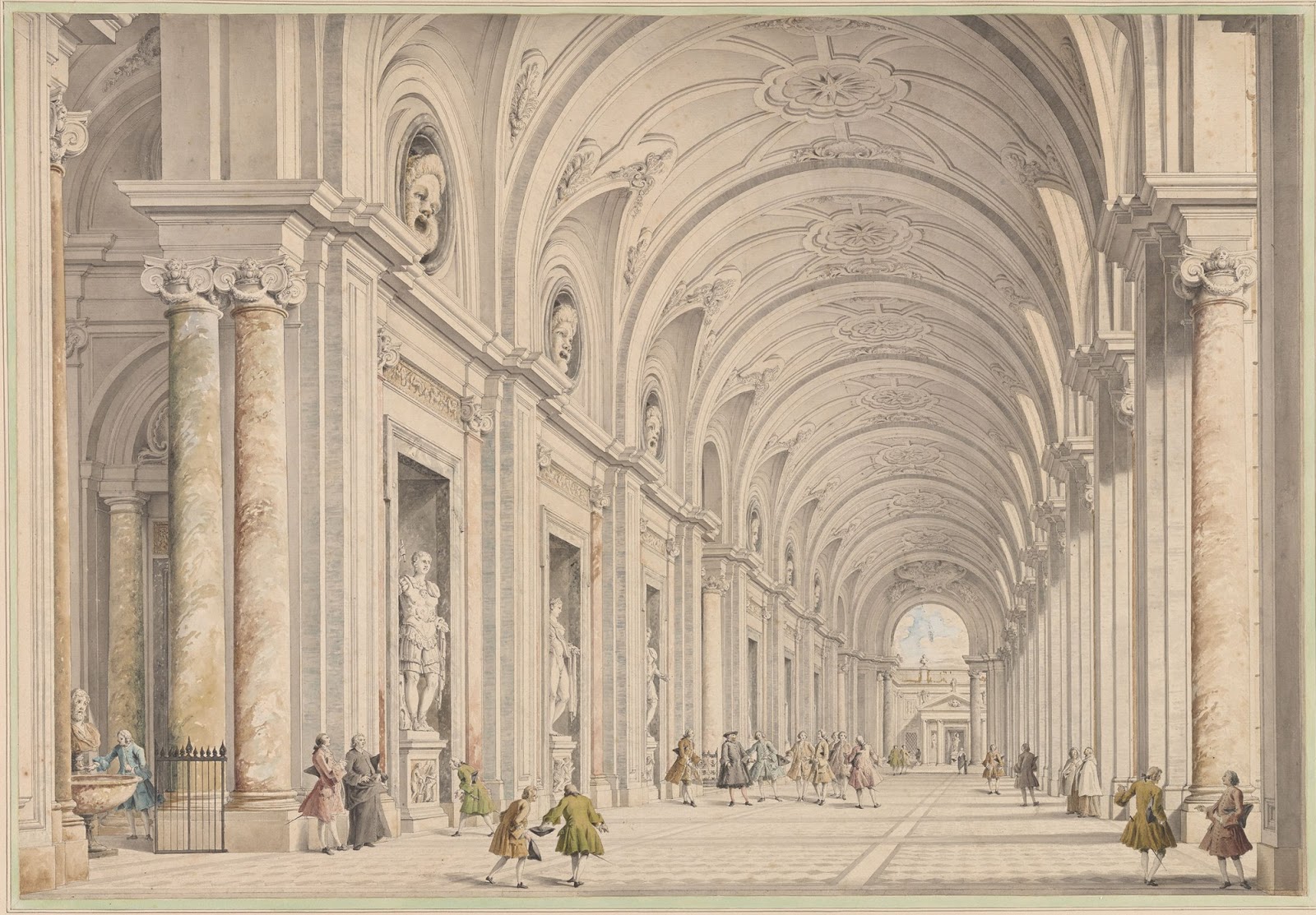
Roman Architecture Drawing at GetDrawings Free download
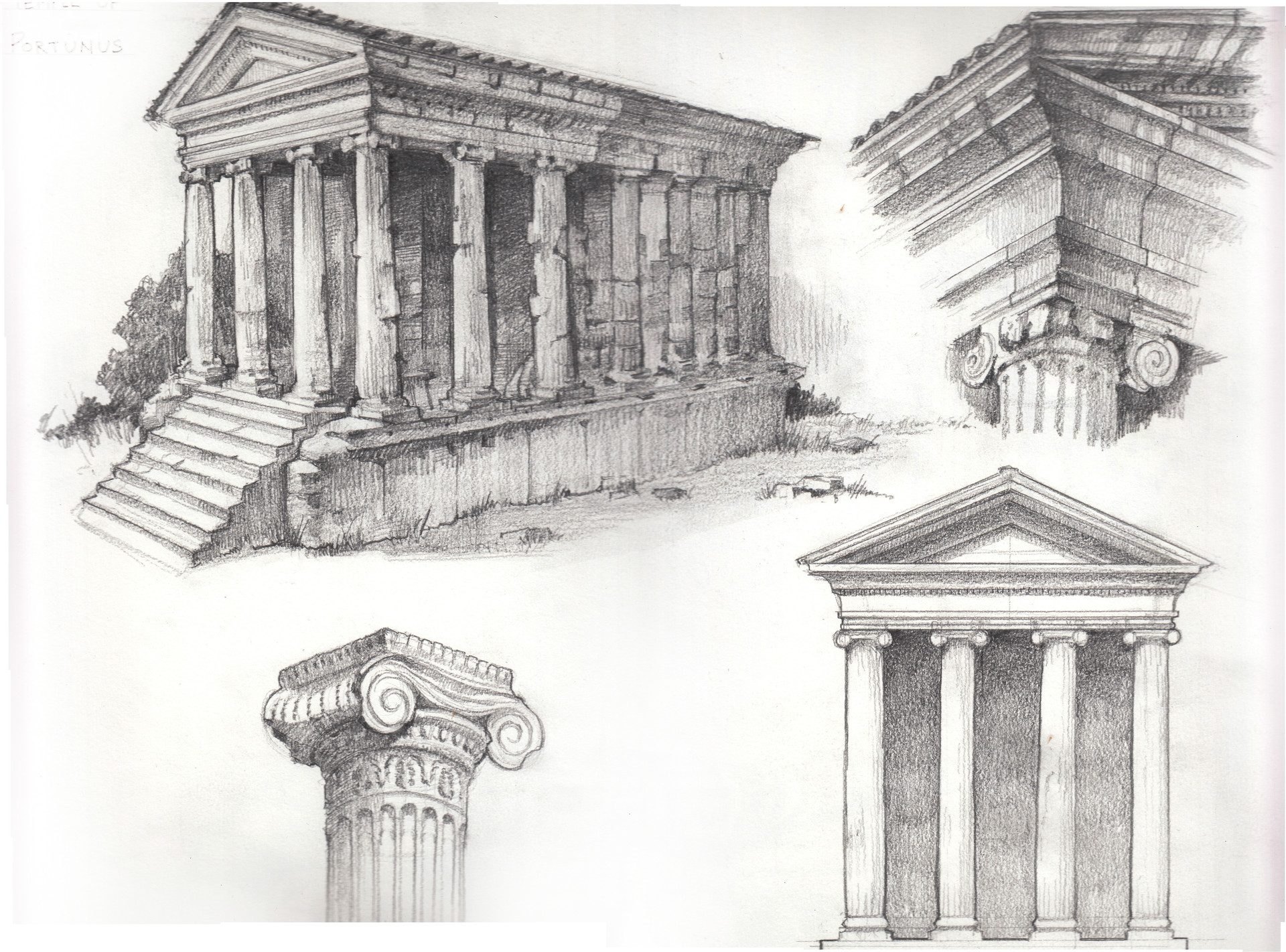
Roman Architecture Sketches at Explore collection

Roman Colosseum sketches Colosseum pencil drawing Colisée, Tour

FileColosseum drawing.JPG Wikimedia Commons

Google Image Result for
Web Some Key Structures Of Ancient Architecture In Rome Are Basilica, Amphitheater, Residential Housing Block, Granary Building, Aqueducts, Public Baths, And Triumphal Arches.
The Romans Were Also Innovators And They Combined New Construction Techniques And Materials With Creative Design To Produce A Whole Range Of Brand New Architectural Structures.
Internet Archive Book Images, No Restrictions, Via Wikimedia Commons Roman Architecture Mainly Refers To The Buildings In Rome And The Extended Empire That Started Around 509 Bc And Continued Until Around The 4Th Century Ad.
Web Roman Architecture Differed Fundamentally From This Tradition Because Of The Discovery, Experimentation And Exploitation Of Concrete, Arches And Vaulting (A Good Example Of This Is The Pantheon, C.
Related Post: